Efficient SEO Pattern Identification Techniques
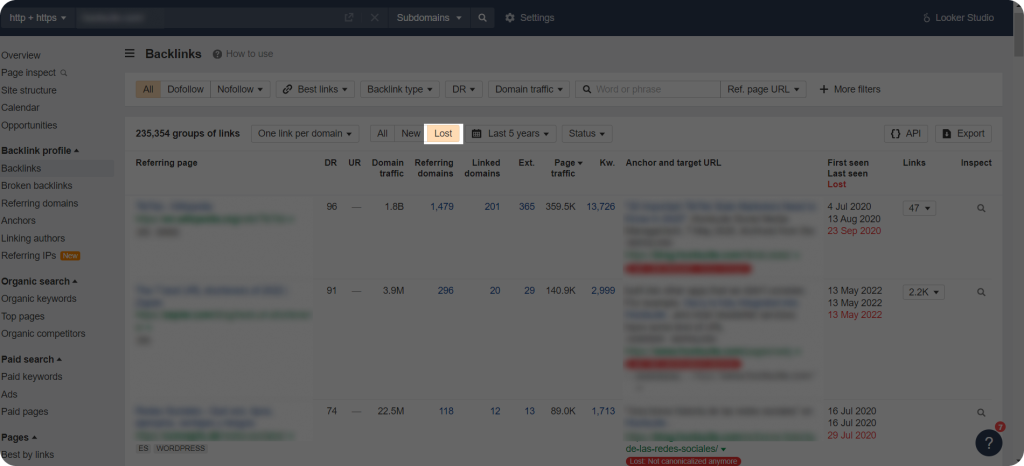
Choice for websites with up-to-date content and well-structured pages that accommodate long-form properties and in-content links. Favor body-content positionings near topic-rich sections instead of footers or sidebars, where signals often blend into navigational sound. Full-width governance view: pillar topics map to high-authority sources and area depth. On the other side, a verified backlinks list is a curated subset of the site list focused on metrics that lower danger and boost signal fidelity.
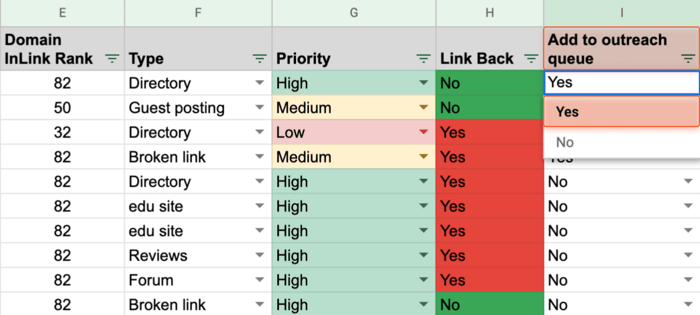
import ready GSA SER projectsThis multi-metric vetting helps guarantee that the backlinks you obtain contribute meaningfully to pillar-topic health without triggering manipulative or spammy patterns. A useful technique to manage these lists at scale is to maintain a central inventory with per-entry fields like: URL, host domain, locale, pillarTopic, DA/PA, Trust Flow, OBL count, anchor-text ideas, Render Rationale, and Per-Locale Ledger notes.
When you pair a well-curated website list with a rigid confirmed backlinks list, you create a reputable environment that scales throughout languages and devicesprecisely the sort of governance-enabled signal propagation that contemporary SEO needs. Signals get credibility when provenance takes a trip with material throughout languages and surface areas. Governance guarantees every backlink render is explainable and auditable.
External benchmarks from market authorities strengthen how to translate domain authority, trust signals, and contextual relevance in a localization-driven program. The takeaway is easy: disciplined website lists and verified backlinks lists, when governed with pillar semantics and location depth, allow scalable, regulator-ready signal proliferation.
Implementing Professional SEO Project Templates
In the next area, we translate these concepts into a useful workflow for project preparation and setup that ensures every backlink render travels with specific intent and location provenance. For organizations seeking a governance-forward blueprint, see how a centralized spine can align pillar subjects with localization depth and edge delivery across surface areas.
The governance spinal column, offered by the IndexJump framework, ensures every backlink render travels with specific intent and place provenance as content traverses Understanding Cards, Maps, Copilot triggers, voice surface areas, and AR experiences. This part equates that spinal column into a concrete setup plan: how to prepare, align possessions, and manage outreach so your GSA SER projects stay safe, scalable, and regulator-ready across markets.
import ready GSA SER projects- Specify pillar subjects per locale and establish a localization depth map. Start with a core set of pillar subjects that resonate across your primary markets, then broaden to locale-specific angles that reflect language subtlety, regulative considerations, and regional search habits. For each area, attach a Render Rationale (the why behind the signal) and create a Per-Locale Ledger (the depth notes, translation restrictions, and surface area shipment information).
Process Refinement for Scalable SEO Automation
- Design a localization-ready possession technique. Build a portfolio of high-value, multiple-use possessions tailored to each locale: localized buying guides, region-specific analyses, and interactive tools that naturally bring in citations. Each asset should be tagged with pillar-topic intent and a Render Reasoning describing how the possession reinforces the area's aspect of the pillar.
Recognize the engines and platforms most likely to yield contextual, in-content placements that align with pillar subjects in each place. Prioritize platforms that enable in-content anchors near topic-rich sections, avoiding header-only or footer-only positionings that can dilute semantic signals.
- Designer a scalable anchor and placement structure. Produce anchor-text families per location that map to the same pillar subject across languages, with a balanced mix of branded, detailed, and topical anchors. Document each choice with a Render Reasoning and Per-Locale Journal entry to preserve provenance as signals render through Knowledge Cards, Maps, Copilot prompts, and edge surfaces.
Build a tiered outreach strategy that scales with place depth: local editors, multilingual influencers, and regional publishers. Each outreach signal ought to include a Render Rationale explaining the regional framing and a Per-Locale Ledger that records translation notes and platform restrictions.
Scaling Search Performance With Technical Project Templates
- Implement governance dashboards and sprint rhythms. Create pillar-health dashboards per place, plus cross-surface control panels that expose how signals propagate from landing pages to understanding hubs and voice/AR surfaces. Attach Render Rationales and Per-Locale Ledgers to every backlink render so audits can verify intent, location depth, and surface area delivery as content scales.