Adapting Current Automation Strategies for 2026 Standards

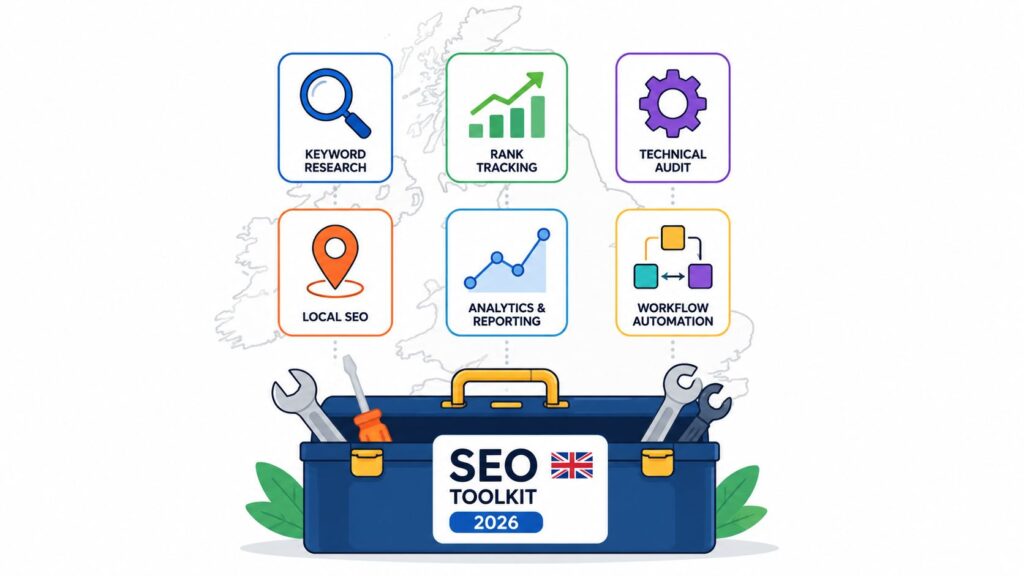
Get notified when rankings drop, backlinks are lost, or Core Web Vitals cross a limit, before a client or manager notifications. If you are doing SEO at any real scale, doing it without APIs means doing it slowly. A comprehensive flowchart to choose the ideal SEO API for your automation or reporting stack Here is the complete SEO API stack, bought from highest concern to a lot of specialized.
Straight from Google. Query-level efficiency: which keywords drive clicks and impressions for your website URL-level performance: which pages rank and for what search terms Device breakdown: mobile vs. desktop click circulation Index protection: crawl mistakes, omitted pages, and protection issues It just shops 16 months of data.
The API does not eliminate this limitation on its own, however as soon as you pipeline the information into Google Sheets, BigQuery, or Looker Studio, you own it permanently. The default limitation is 25,000 rows per demand. On big websites with countless pages, you will strike this ceiling and miss data unless you paginate your calls or filter by date range.
Analysing Every ROI of High-Volume SEO Implementation
Topic to basic Google API usage quotas. Every SEO. Keyword problem ratings, referring domain counts, organic traffic quotes, SERP positions, and backlink data at a depth you will not find elsewhere.
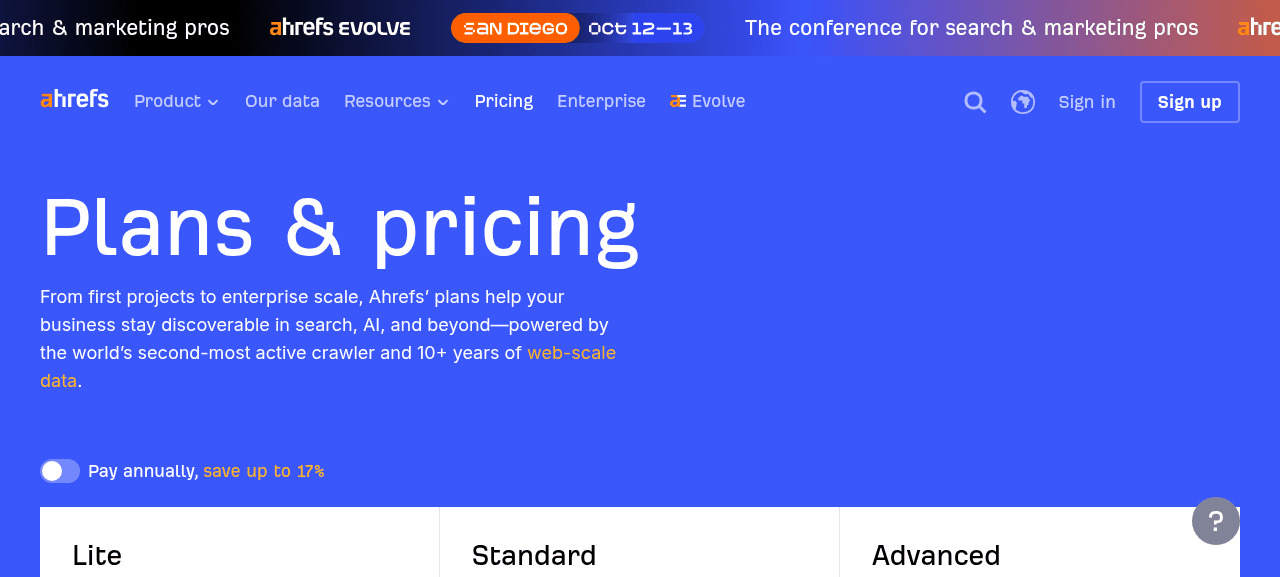
Most competing endpoints return less than 25. That depth matters when you are constructing link qualification workflows or monitoring a client's profile for poisonous links. API access is offered on Lite, Requirement, Advanced, and Enterprise plans. Lite begins at $129 monthly (month-to-month billing) or around $108 monthly on yearly billing.
The Lite plan's API unit allowance goes out rapidly if you are pulling bulk keyword or backlink information regularly. Most agencies doing real automation find themselves updating to Standard within the very first month. If automated reporting is your primary use case, budget plan for Requirement from the start instead of finding the Lite limit mid-project.
DataForSEO is the API most SEO developers grab when they need versatile, granular access to numerous data types through a single supplier. It powers lots of widely known SEO tools behind the scenes, which tells you something about how trusted the data is. Unlike platform-based APIs, DataForSEO is built specifically for programmatic gain access to.
custom GSA SER projectsHow to Streamline Technical SEO Projects
It is a raw information API for developers who understand precisely what they require. SERP API: live search outcomes for Google, Bing, Yahoo, YouTube, and 9 other engines throughout 230+ locations Keywords Data API: search volume, CPC, competition scores, and related keyword information Backlinks API: referring domains, anchor text, and link authority data OnPage API: technical website health checks at page and domain level Material Analysis API: entity extraction and semantic material analysis AI Overviews API: structured information from Google AI Overview results Pay-as-you-go.
custom GSA SER projectsCost varies by endpoint, search engine, location, and information volume. DataForSEO utilizes a task-based architecture, unlike many platform APIs.
If you aren't technical and you are hoping to connect DataForSEO without engineering assistance, it's the wrong option. This is a designer tool.
Analysing the Impact of High-Volume SEO Systems
SE Ranking's API has a split architecture worth understanding. The provides you raw access to SE Ranking's database of 5.4 billion keywords throughout 188 nations. The lets you programmatically handle rank tracking projects, website audits, and competitor tracking inside your SE Ranking account. Most teams utilize both. Keyword rankings for Google, Bing, and Yahoo across desktop and mobile Backlinks: referring domains, anchor text, and link type breakdowns Keyword research study: search volume, CPC, competitors scores, and SERP feature existence AI search presence: citation tracking across ChatGPT, Gemini, Perplexity, Google AI Mode, and Google AI Overviews Website audit information: technical SEO issues at page and domain level Rival analysis: organic presence across numerous domains side by side API add-on: $149 each month on yearly billing, 12M credits covering backlinks, domain analysis, keyword research study, AI search, and audit APIs Standalone SEO Data API: from $179 monthly.
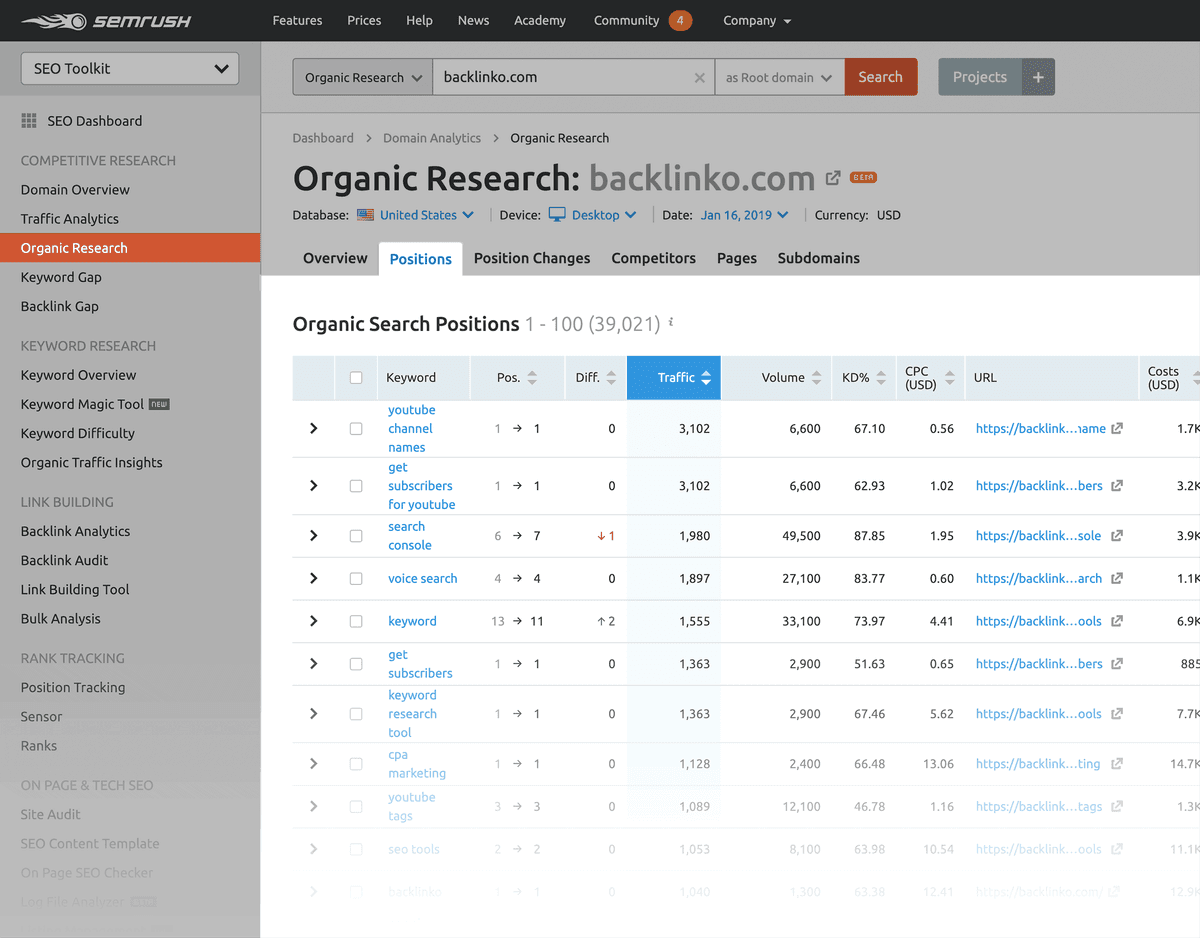
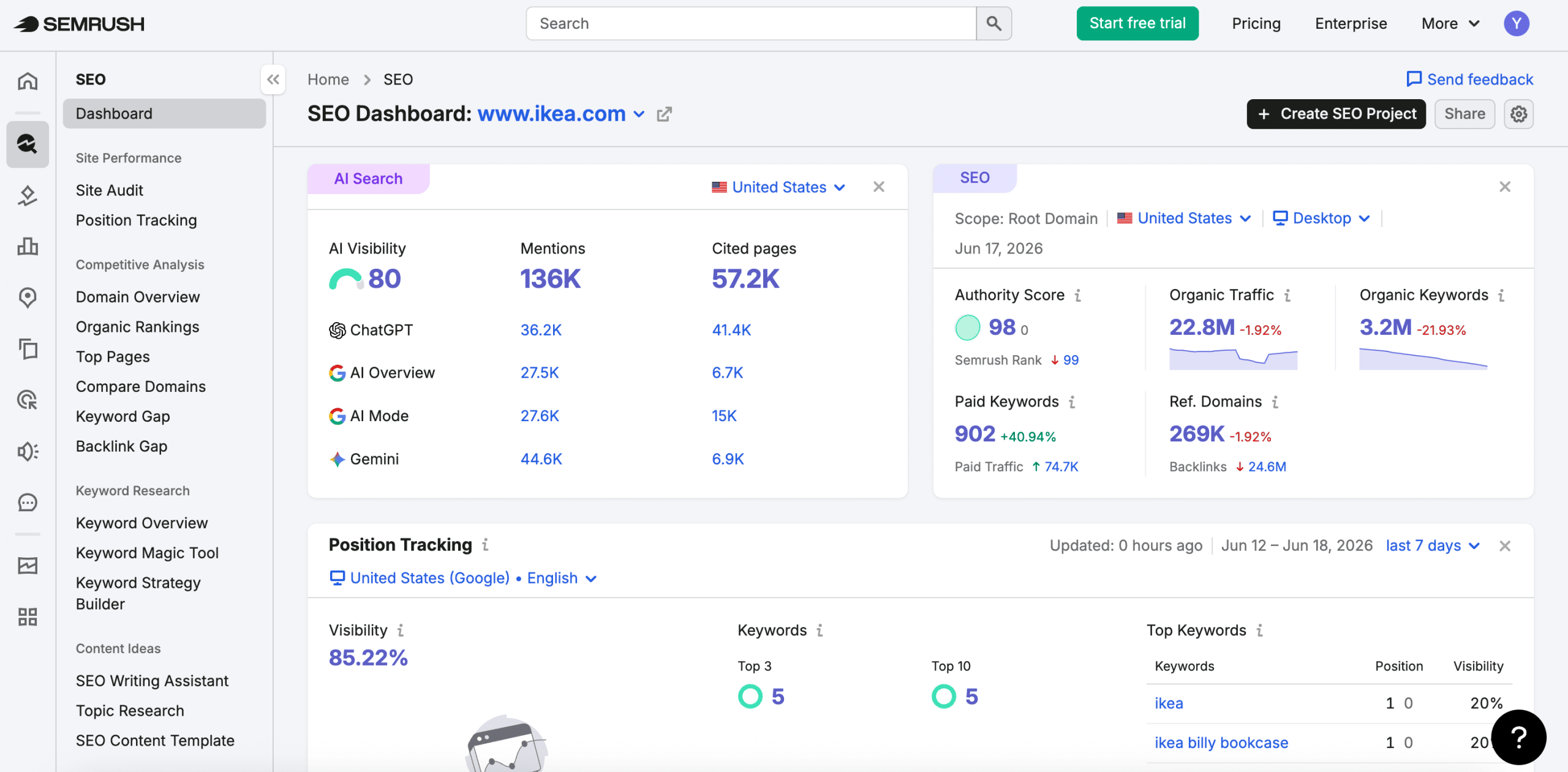
The SEMrush API provides you programmatic access to one of the biggest keyword databases offered: 26 billion keywords throughout 140+ local databases, plus domain-level competitive intelligence, position tracking, and site audit data. Domain analytics: natural keywords, traffic trends, and leading competitors for any domain Keyword research: volume, CPC, difficulty, and SERP function existence Position tracking: day-to-day rank information for any keyword list Backlink reports: referring domains, anchor text, and authority scores Traffic analytics: estimated regular monthly sees and traffic source breakdown per domain Competitive analysis at scale.
If you require to pull organic keyword overlap between your domain and five rivals automatically, then press those gaps into a prioritization design, the SEMrush API deals with that well. API access needs business plan or above ($499.95 per month). API units are acquired separately on top of the subscription.
If you are already on the Business strategy and spending for it regardless, adding API access is a natural extension. If you are assessing from scratch and the API is the primary reason you desire SEMrush, SE Ranking or DataForSEO will give you comparable data at a fraction of the expense.
The Google Analytics Data API provides you programmatic access to all GA4 data: sessions, users, traffic sources, conversion events, eCommerce revenue, and engagement metrics. It is the developer-facing variation of your GA4 account, and it's complimentary. Automate custom-made reports for customers or stakeholders without manual exports Pull organic conversion information into CRM lead-scoring designs Combine GA4 information with other sources (ad invest, support tickets, revenue records) Run batch reports throughout numerous GA4 residential or commercial properties in a single API call Build audience segmentation reports that GA4's built-in interface does not support Free.
Measuring the Impact of Automated SEO Systems
The GA4 Analytics Data API is effective, but it requires designer qualifications and custom code. If you run a WordPress site and desire GA4 metrics without any of that setup, Analytify connects your GA4 account directly to WordPress through the plugin settings. Analytify reveals per-post traffic, real-time visitors, WooCommerce profits, form conversions, and author-level stats, all inside your WordPress dashboard.
Instead of waiting for Googlebot to discover modifications on its next crawl, you press the alert directly. Numerous WordPress hosts, CDNs, and CMSs currently support IndexNow natively.